Pelvic Organ Prolapse:
effective non-surgical relief
That feeling of heaviness, pressure, or something "coming down" in the pelvic area is one of the most common women's health problems — and one of the least talked about. Pelvic organ prolapse affects 1 in 3 women who have given birth. Most never seek help. It doesn't have to be that way.
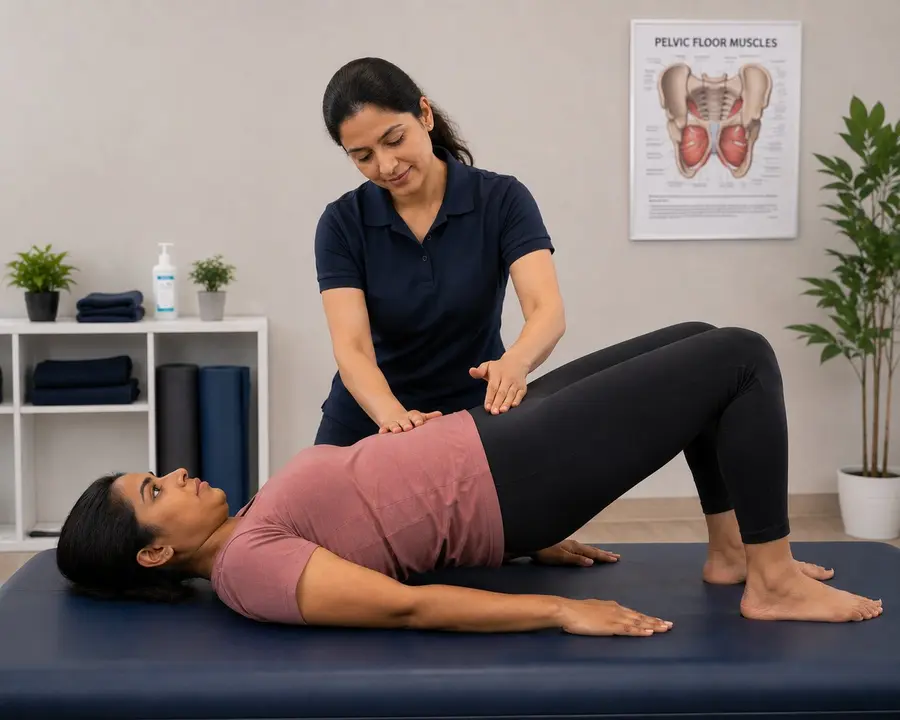
Understanding the Condition
Pelvic organ prolapse (POP) happens when the muscles and tissues supporting the pelvic organs — bladder, uterus, or rectum — weaken and allow those organs to descend into or bulge through the vaginal wall. It's graded from Stage 1 (mild, often symptom-free) to Stage 4 (complete prolapse).
Most women with Stage 1–3 prolapse can be managed effectively without surgery through targeted pelvic floor rehabilitation, lifestyle changes, and supportive care. Surgery is not the only option — and for many women, it's not the right first step.
How We Treat Pelvic Organ Prolapse
Our pelvic floor physiotherapists build individualised programs based on the type, stage, and symptoms of your prolapse. Treatment focuses on strengthening the pelvic floor, reducing intra-abdominal pressure, and restoring functional movement patterns.
Pelvic Floor Muscle Training
Personalised strengthening and coordination exercises — the foundation of conservative prolapse management, with strong evidence for reducing symptom severity.
Pessary Assessment & Guidance
We advise on pessary use to manage symptoms while rehabilitation progresses — particularly useful for women who need immediate relief.
Postural & Load Management
Correct lifting technique, reducing straining, and posture adjustments to minimise downward pressure on the pelvic floor day-to-day.
Bladder & Bowel Retraining
Addressing constipation and bladder urgency — both of which worsen prolapse — through habit retraining and diet guidance.
Return to Activity Coaching
Safe, graded return to exercise, yoga, and daily activities without worsening the prolapse. Most activities can be adapted rather than given up.
Therapeutic Massage
Myofascial release and targeted soft tissue work to ease pelvic tension, improve circulation, and reduce discomfort.
Your Treatment Journey
Assessment Session
A thorough pelvic health assessment — covering birth history, current symptoms, and your functional goals. We explain the severity and type of prolapse clearly and walk through your options.
Personalised Program Design
Your physiotherapist puts together a structured 8–12 week program with specific exercises, lifestyle changes, and milestones. Many women notice meaningful improvement within 6 weeks.
Weekly Progress Sessions
Guided sessions to advance your exercises, track symptom change, and adjust the plan. Progress is monitored at every visit.
Long-Term Management Plan
A home maintenance program with clear guidance on what to continue, modify, or avoid — so your recovery holds well beyond the program.
What Women Ask Us
Not necessarily. Research consistently shows pelvic floor muscle training significantly reduces prolapse symptoms in Stage 1–3 cases. Surgery is typically considered only when conservative treatment has been properly tried and symptoms remain severe. We always recommend trying physiotherapy first.
It can, particularly if contributing factors like constipation, heavy lifting, or high-impact exercise continue unchecked. Early intervention prevents worsening. Many women with mild prolapse keep it stable for years with the right exercises and habits.
Yes. Pelvic floor muscles respond to training at any age. Oestrogen decline during menopause weakens pelvic tissues, but targeted rehabilitation still produces meaningful improvement. We tailor programs specifically for postmenopausal women.
Yes — with proper guidance. Many forms of exercise are safe with prolapse, and some are specifically beneficial. High-impact activities and heavy lifting may need to be modified. Our therapists will tell you what to do, what to adapt, and what to avoid for now.
Initial hands-on assessment is strongly recommended in-clinic. Follow-up sessions, exercise coaching, and educational support can be done online via Google Meet for NRI and outstation clients.
You Don't Have to Manage This Alone
Book a confidential consultation at our Somajiguda clinic. Our pelvic floor specialists will assess your condition, explain your options clearly, and take things at your pace.
Looking for specialised pelvic rehabilitation?
Learn about our Female Pelvic Rehab Programme →